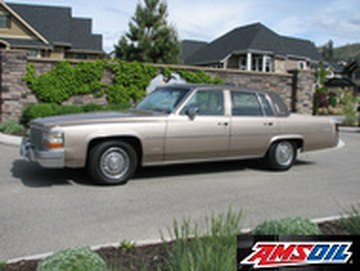
Engine Lubrication Care for the 1981 Cadillac FLEETWOOD 6.0L
Maintaining a large-displacement engine requires consistent attention to lubrication quality and system integrity. For an owner of a 1981 Cadillac Fleetwood with a 6.0L engine, staying proactive with fluid maintenance is one of the most effective ways to manage the long-term health of the vehicle. Because older engines often operate under different mechanical stresses than modern counterparts, understanding how to monitor and respond to lubrication needs is essential for continued operation.Monitoring Fluid Integrity and Potential Leaks
A primary aspect of engine care involves regular visual inspections of the engine bay and the ground beneath the vehicle. Over time, various seals and gaskets may experience changes in their ability to contain fluids. When performing routine checks, it is helpful to look for signs of seepage or active dripping around the engine block and connection points. If you notice dark stains on the driveway or a damp appearance on the underside of the engine, these can be indicators that a seal or gasket may require attention. It is important to note that many different components can contribute to fluid loss; therefore, seeing a leak does not immediately identify a single failed part. Instead, such observations should prompt a more thorough investigation of all accessible sealing surfaces. Beyond external leaks, the condition of the lubricant itself is a vital indicator. If you are checking the oil level using the dipstick, take a moment to observe the color and texture of the fluid. While some discoloration is expected as oil ages and collects contaminants, extremely dark or gritty oil may suggest that service intervals have been exceeded.Managing Maintenance Records for Long-Term Ownership
For vehicles of this era, having a clear history of service can significantly influence how you approach future maintenance. If you have recently acquired this Cadillac, establishing a baseline is a practical first step. This involves reviewing any available documentation regarding previous oil changes, filter replacements, and other mechanical repairs. If no records are available, you may choose to treat the current state of all fluids as a starting point. By documenting every service you perform moving forward—including the date, mileage, and the specific products used—you create a reliable history that can help you identify patterns. For example, tracking how quickly the oil level changes between services can provide valuable information about the engine's consumption characteristics. A well-maintained logbook also helps in distinguishing between routine preventive maintenance and necessary repairs. When you know exactly when a component was last serviced, you can make more informed decisions about whether an observed symptom is a new development or a long-standing condition.Observing Changes in Engine Operation
While many lubrication issues are visible through leaks or fluid levels, some may manifest through changes in how the engine sounds or behaves. It is important to remain observant of any new mechanical noises that occur during startup or while the engine is idling. While unusual sounds can stem from a wide variety of sources, they warrant investigation to ensure the internal components are receiving adequate lubrication. Additionally, keep an eye on the dashboard indicators. If a warning light related to oil levels or pressure illuminates, this requires immediate attention. Such indicators are designed to alert you to conditions that could potentially lead to mechanical issues if left unaddressed. Another subtle sign to monitor is any change in exhaust appearance. While different driving conditions can affect exhaust output, persistent changes should be investigated. Always remember that a single symptom, such as an unusual odor or a change in sound, can have multiple underlying causes. Rather than attempting to diagnose the specific cause yourself, use these observations as prompts for a professional inspection.Prioritizing Service Based on Current Condition
As a vehicle ages, maintenance priorities often shift from strictly following a calendar-based schedule to focusing on the actual condition of the components. For a 1981 Cadillac Fleetwood, this means looking at the physical state of aging materials rather than assuming they are failing simply because of their age. When deciding where to focus your efforts, consider these steps:- Address active concerns first: If you have identified an active leak or a warning light, these should take precedence over general preventive tasks.
- Inspect aging materials: Check the condition of accessible hoses and belts (if equipped) for signs of cracking, glazing, or fraying. While these may not need immediate replacement, monitoring their deterioration helps prevent unexpected failures.
- Monitor fluid consumption: If you notice that you are needing to add oil more frequently than in the past, this is a signal to monitor the engine more closely during your routine checks.
- Evaluate service history: Use what you know about the vehicle's past to decide if certain components are due for inspection.
Selecting Lubricants for the 6.0L Engine
When it is time to perform an oil change, selecting a product that aligns with the specific needs of your engine is vital. The lubrication requirements for a 1981 Cadillac Fleetwood are specific to its design and current mechanical state. To ensure you are using the correct product, always refer to the application-specific viscosity and lubricant information provided on this webpage. When browsing available options, consider the following:- Check the Label: Before purchasing, verify that the oil meets the appropriate API service classifications listed on the container.
- Consider Formulations: Depending on your engine's current condition and mileage, you may encounter various options such as conventional, synthetic blends, or full synthetic oils. Some high-mileage formulations are specifically designed with additives intended for use in aging engines, including seal-conditioning agents.
- Match the Application: Do not rely on general automotive knowledge or assumptions based on the vehicle's age to select a grade. The most accurate guidance is the information already displayed in the technical specifications section of this page.